
Save our Cod
Active Inshore Cod Licenses in 2J3KL in 2023 - each vessel is a small business on the water and every dollar is returned to our provincial economy.
2300
Average weekly amount for an inshore cod harvester
3200
lbs
Average trip amount for an offshore dragger
2
M lbs
SAVE our cod
Protect the Northern Cod Stock
The end of the northern cod moratorium is not what the fishery needs for sustainable rebuilding.
Newfoundland and Labrador fish harvesters are calling for an immediate return to a Stewardship Fishery, and are asking for the support of all Canadians.
Broken Promises
The Government of Canada chose to end the Northern Cod Stewardship Fishery and, by declaring a commercial fishery, gave access to corporate offshore and international bottom-dragger fleets.
This year there was a 6,000t increase in the allocation, as well as an additional 6% allocated to international dragger fleets via NAFO.
At least one-third of the increase was allocated to offshore and international fleets, in clear violation of the 42-year commitment to inshore harvesters and their coastal communities that the first 115,000mt would be allocated to inshore and Indigenous groups only.
INSHORE
VS
OFFSHORE
INSHORE
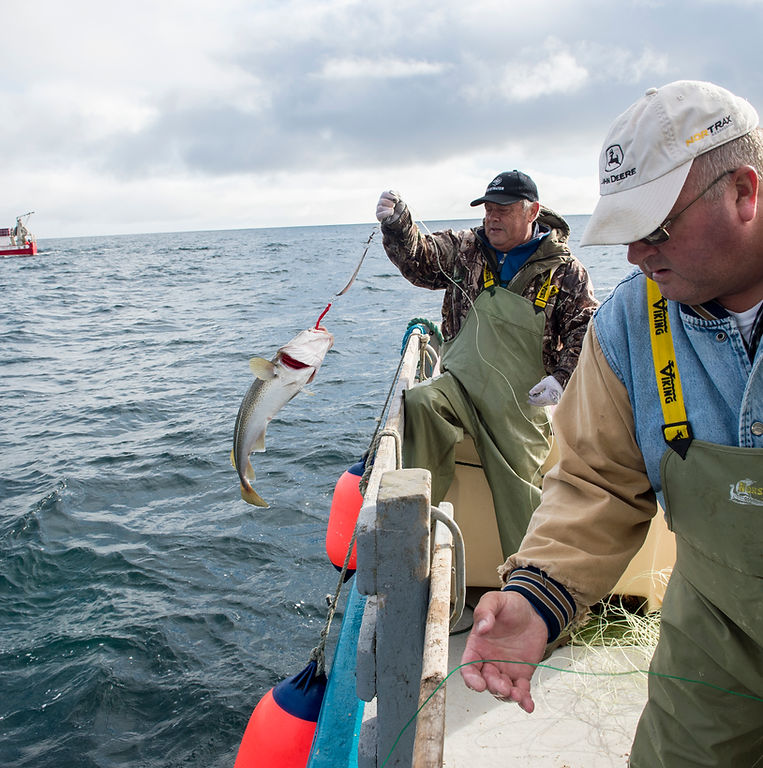
Thousands of community-based businesses on the water, operating along coastal Newfoundland and Labrador in vessels under 65ft.
OFFSHORE (DRAGGERS)
Corporate owned, factory-freezer trawlers, 100ft or larger in length, that operate during periods of pre-spawning aggregations.